
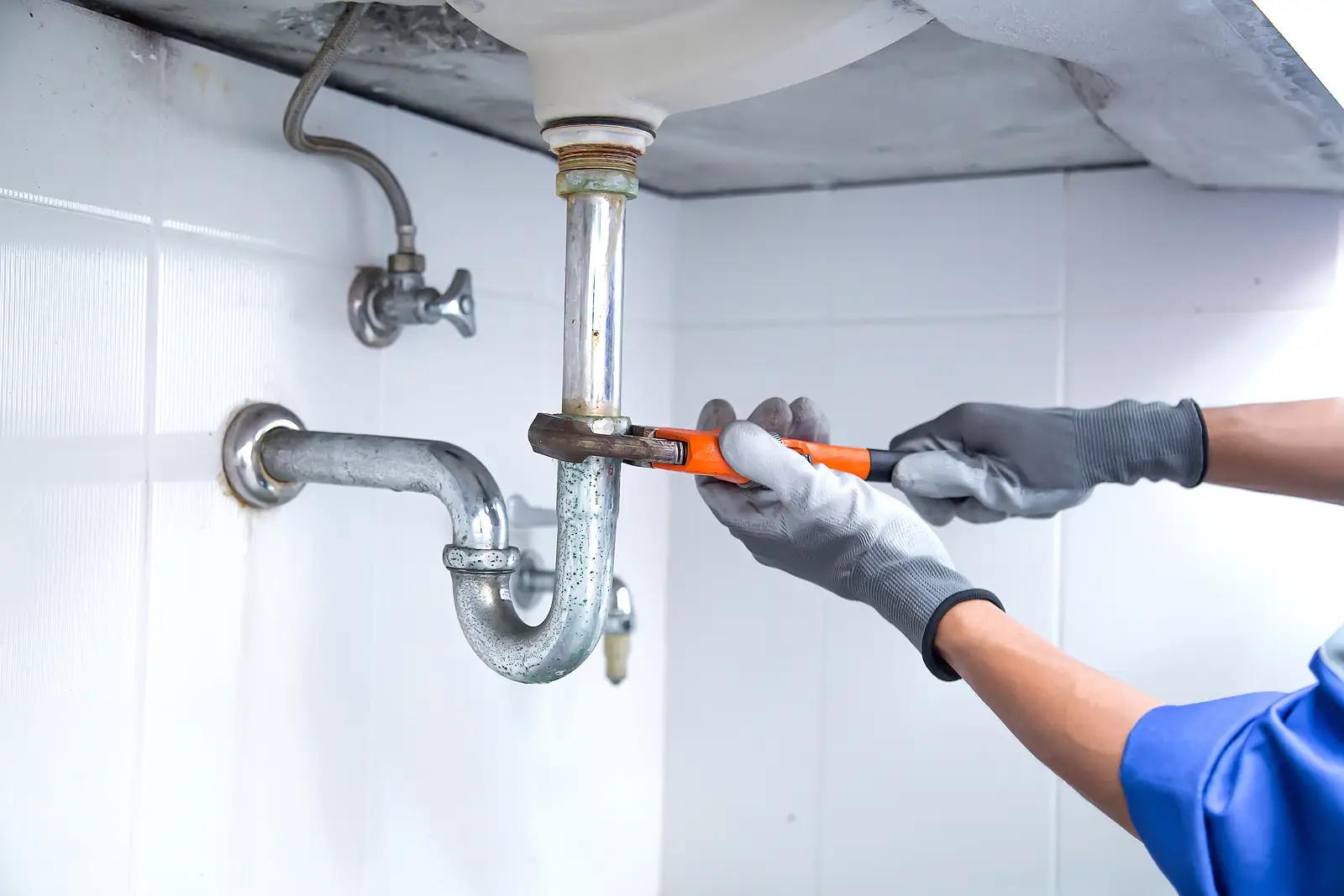
By the time a third repair ticket lands on the same appliance, most owners start asking a different question. It's not about fixing the immediate problem anymore; it's about figuring out how much longer the whole system will last. Our team put together a rental red flags guide that covers exactly this kind of warning sign, the ones owners tend to brush off until they turn expensive.
PMI Motor City works with property owners throughout the metro area to sort out which repairs are genuinely isolated and which ones mark the beginning of a bigger, costlier problem.
Key Takeaways
- A repair that keeps recurring on the same system almost always points to aging components, not chance.
- Reviewing your full maintenance history reveals patterns a single service call can't show on its own.
- Replacing an aging system before failure typically costs less than repeated repairs over time.
- Tenants stay longer when problems get solved at the root instead of being patched again and again.
- Planning capital improvements ahead of schedule keeps cash flow steady and predictable.
What Repeated Repairs Are Actually Telling You
A single work order rarely means much on its own. Line up several over time, though, and a clearer picture starts to form.
Nationally, the median age of owner-occupied homes sits at 41 years, according to the U.S. Census Bureau's American Housing Survey. Metro Detroit's housing stock includes plenty of homes in that range or older, which means plumbing, electrical, and HVAC systems are more likely to need frequent attention as materials age.
Owners here regularly see recurring trouble with:
- Plumbing lines and water heaters
- HVAC systems nearing the end of their expected life
- Roofing and siding worn down by Michigan winters
- Windows and door seals that no longer hold up
Once a pattern shows up across more than one of these categories, replacement usually makes more financial sense than another repair call.
Why the Quick Fix Eventually Stops Working
Small repairs make sense while the underlying system is still sound. Trouble starts when those same small repairs keep happening without solving anything.
A corroded pipe fitting doesn't stop the rest of the line from corroding just because you replaced that one section. Roof flashing worn through in one spot is usually worn elsewhere too, even before it starts leaking visibly.
A few signs suggest you've passed the point where repairs still make sense.
Contractors Keep Returning for the Same Issue
If the same type of repair is happening every few months, the system itself is probably the problem, not the specific part that failed.
Costs Add Up Quietly
Every visit brings labor, materials, and scheduling fees. Add those up over a year, and you might find you're already close to what a full replacement would cost.
Small Issues Turn Into Bigger Ones
A slow leak left alone can quietly damage drywall, flooring, and cabinetry long before the leak itself becomes obvious.
Reading Repair History as a Full Picture
Looking at maintenance records as a whole, instead of reacting call by call, changes how you approach decisions.
The Joint Center for Housing Studies of Harvard University found that homeowners spent an estimated $503 billion in 2024 on remodeling and repair work nationwide, a figure that reflects how much upkeep aging housing stock demands everywhere.
Reviewing your own records regularly can surface patterns such as:
- Plumbing issues that keep resurfacing in the same location
- HVAC repairs clustering around seasonal temperature swings
- Appliance failures happening closer together than before
- Roof repairs following nearly every major storm
Once these trends are visible, you stop reacting to emergencies and start planning around them.
Why Cash Flow Depends on More Than Rent Collection
Repair patterns tie directly into how payment predictability works in practice. An unexpected repair bill can undo months of steady cash flow planning if it isn't accounted for ahead of time.
Owners who track their repair history tend to build more accurate reserve estimates, which keep monthly cash flow steadier even when a major system finally needs replacing.
Pricing Reflects Property Condition Too
A rental with a pattern of recurring issues can be harder to price competitively, regardless of how strong the surrounding market looks. Our guide on pricing rentals profitably covers how condition factors into what renters are willing to pay.
Addressing recurring problems at the source, rather than patching them repeatedly, often supports stronger positioning when it's time to set or adjust rent.
Metro Detroit's Renter Pool Is Shifting Too
Repair patterns don't exist separately from the broader rental market. The evolving renter landscape across Metro Detroit means owners with reliable, well-maintained properties have an edge in attracting quality tenants.
Deciding What to Prioritize First
Every rental eventually needs major work done. The challenge is figuring out what deserves attention first.
When deciding what comes first, weigh a few factors:
- How ongoing repair costs compare to the cost of full replacement
- The expected remaining lifespan of the system in question
- How reliability affects tenant satisfaction and lease renewals
- Whether spreading costs over a planned timeline beats an emergency expense later
A free rental analysis can help you see exactly where your property stands before deciding what to prioritize.
Staying Ahead Even When You're Not On Site
Some Metro Detroit owners manage properties they don't visit often. Our home watch service checks in regularly, catching small issues before they become major repairs nobody noticed in time.
FAQs about Aging Rental Systems in Metro Detroit, MI
How does the size of my rental portfolio change how I should handle recurring repairs?
Owners with multiple properties benefit from tracking repairs across the whole portfolio rather than property by property. Patterns across similar units often reveal which systems to prioritize for replacement first.
What role does a home inspection play before buying a rental with an unclear repair history?
A thorough inspection before purchase reveals the true condition of major systems, even if past owners kept poor records. This helps you budget realistically instead of discovering problems after closing.
Does the season affect how urgently I should address a recurring repair?
Yes. Issues involving heating or cooling systems become urgent heading into extreme weather, while others, like minor cosmetic repairs, can often wait for a more convenient scheduling window.
How do I decide between hiring an independent contractor and using a managed vendor network?
Managed vendor networks typically offer more consistent pricing and accountability, since the relationship is ongoing. Independent contractors may cost less upfront but can vary more in reliability and follow-through.
Should I factor recurring repair costs into my long-term investment return calculations?
Absolutely. Repeated repair expenses reduce your actual return even if rent collection stays steady. Building these costs into your projections gives you a more accurate picture of the property's real profitability.
Read the Signal Before It Gets Louder
No landlord enjoys the same repair bill twice, but plenty end up paying it because nobody stopped to look at the pattern. PMI Motor City gives owners across the metro area the tools to catch that pattern early and act on it with confidence.
Talk to our maintenance team about what your property's repair history is telling you before the next call comes in.